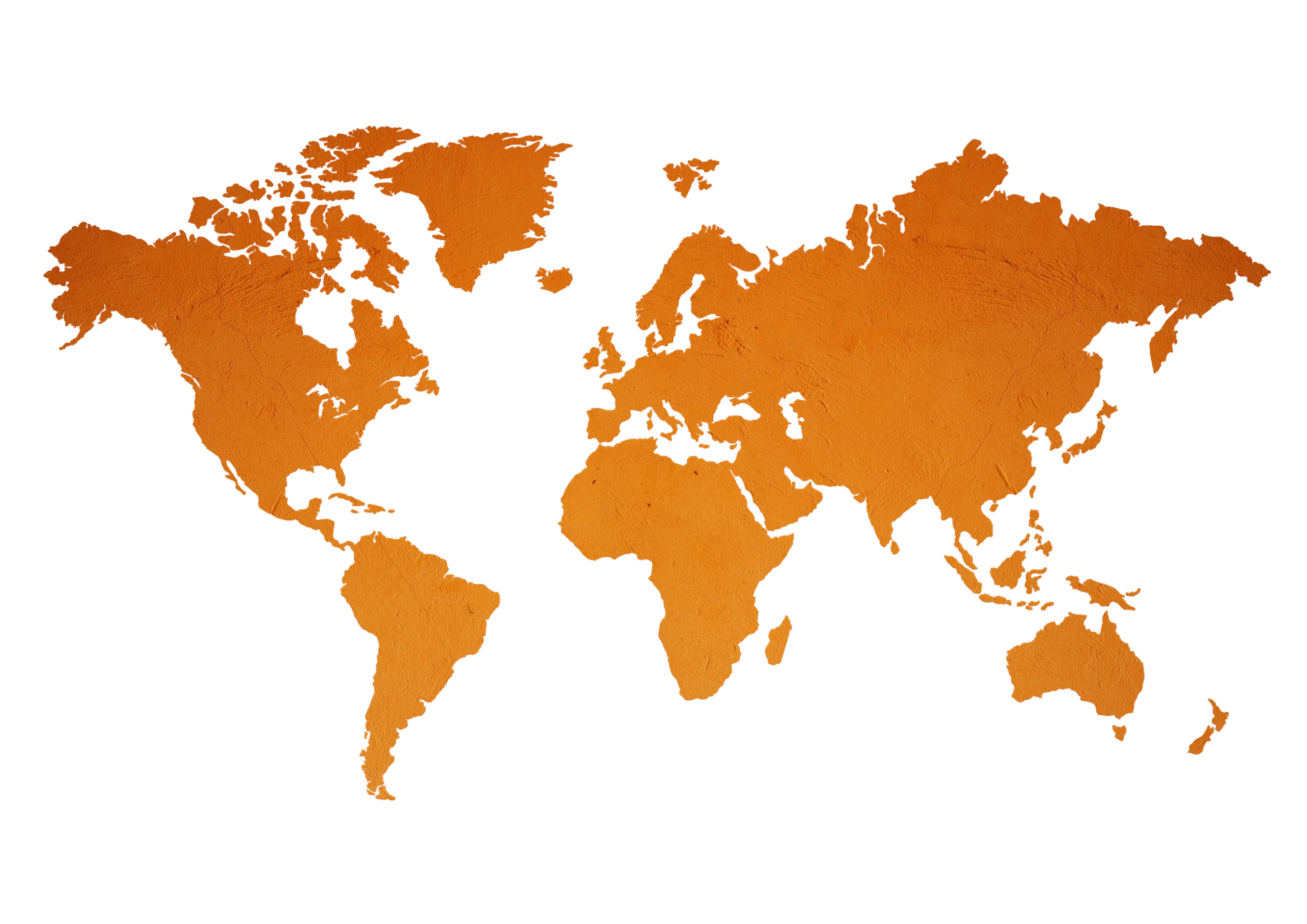

Country Risk Report
A Country Risk Report provides grantmakers with a structured, country-specific view of contextual risk factors that may affect cross-border philanthropic activity. The report is designed to support proportionate decision-making by clarifying the operating environment in a jurisdiction, particularly where regulatory capacity, transparency, and public information vary significantly.
The Country Risk Report focuses on country-level conditions that can shape exposure to financial crime, integrity concerns, and diversion risk in the nonprofit sector. It is most commonly used to inform scoping decisions, determine whether escalation may be warranted, and provide disciplined context for interpreting other diligence findings.
ATFS and ATFS-HR check four country-level indicators for a grantee’s jurisdiction: the presence of Foreign Terrorist Organizations (FTOs); listing by the Financial Action Task Force (FATF) as a jurisdiction under increased monitoring (gray list) or a high-risk jurisdiction (blacklist); the jurisdiction’s Basel AML Index score; and its Corruption Perceptions Index (CPI) score. A Country Risk Report adds a written analysis of how conditions in that country affect grantmaking there, including what they mean for verification, oversight and the scope of review.
Country context
What the Report Covers
Country risk is the part of a grant’s risk that comes from where the funds go rather than who receives them. The dimensions the report examines fall into three groups: threats that can divert funds, rules that decide whether and how a grant may proceed, and the institutional conditions that determine how much of either can be seen and contained. Where those conditions are weak, every threat is larger.
Threats to the funds
Rules governing the grant
Institutional conditions
Select a dimension to see how it affects a grant.
Each report synthesizes the most relevant and current publicly available indicators across a defined set of country-level dimensions, which may include:
- Governance and rule-of-law context, including enforcement capacity and institutional stability
- Corruption and bribery exposure, including structural drivers and sector-relevant indicators
- Financial crime environment, including money laundering risk and control effectiveness
- Terrorism and terrorism financing context, where relevant to the operating environment
- Civil society and nonprofit regulation, including registration oversight, reporting expectations, and constraints on nonprofit activity
- Sanctions and restrictions landscape, where relevant to cross-border funding decisions
- Transparency and information availability, including practical constraints on verification and monitoring
How Funders Use Country Risk Reports
Country Risk Reports are typically requested when a funder needs a reliable, structured baseline for one or more of the following purposes:
- Establishing country context before initiating a grantmaking relationship
- Informing whether a proposed grant environment suggests the need for additional screening or escalation
- Supporting internal risk discussions, board briefing, or documentation of contextual analysis
- Interpreting other diligence outputs (e.g., adverse media findings, registry limitations, governance concerns) against the realities of the operating environment
- Comparing environments across multiple jurisdictions when evaluating cross-border strategy or portfolios
Relationship to Paragon’s Four-Tier Framework
Country Risk Reports support Paragon’s risk-based approach by helping funders understand the environmental conditions that shape risk exposure and diligence feasibility in a particular jurisdiction. A Country Risk Report can accompany a review at any tier.
In practice, a Country Risk Report is often used early to help inform whether a situation is likely to remain within lower-risk review parameters or whether contextual indicators suggest that additional measures may be appropriate. It provides country-level context that can strengthen proportionality, escalation logic, and interpretation across a broader diligence process.
Deliverable
Funders receive a concise written report that synthesizes key country-level risk drivers relevant to cross-border philanthropy. The report identifies practical constraints related to verification, transparency, or oversight that may affect diligence planning, and draws on clearly sourced indicators to provide structured context for internal documentation and decision-making.
Scope and Limitations
A Country Risk Report is a country-level analysis based on publicly available information and reputable sources. It does not assess a specific organization, make legal determinations, or provide a guarantee of risk absence. It is intended to support grantmaker judgment by clarifying contextual conditions that may increase or reduce exposure in the nonprofit operating environment. Country Risk Reports are not a tier of the Four-Tier Framework, and a report is not a standalone diligence conclusion. Where entity-specific screening, investigative work or registry-based due diligence is warranted, a Country Risk Report accompanies that work rather than replacing it.
Related
Risk-based due diligence is essential to cross-border grantmaking.
Paragon’s Four-Tier Framework helps funders align vetting depth with risk.
Selected Clients
14 yearsServing global grantmakers
100+Countries, including higher-risk jurisdictions
3,000+Vetted nonprofits in the registry
The Rockefeller Foundation
Chicago Community Trust
Greater Houston Community Foundation
Zoetis Foundation
Greater Kansas City Community Foundation
Marin Community Foundation
Douglas B. Marshall, Jr. Family Foundation
Rodan + Fields Prescription for Change Foundation
Whittier Trust
Communities Foundation of Texas